Articles
|
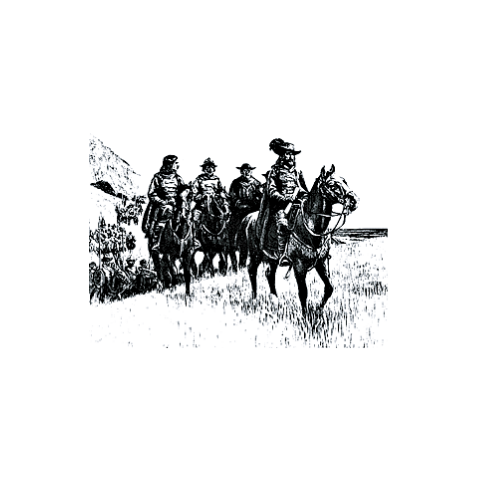
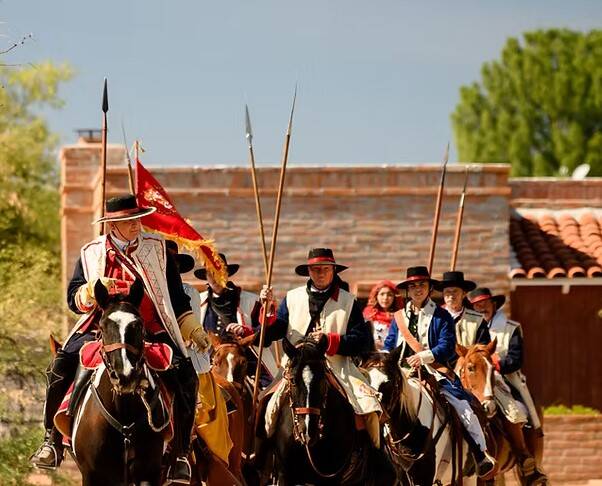
Celebrating 250 Years: Juan Bautista de Anza Expedition and United States SemiquincentennialIn 1776, many of the newly established California missions were in danger of collapsing due to food shortages and Indigenous resistance to missionization. Father Junípero Serra — president of all the California missions — argued that the missions required Spanish and Hispanicized settlers from New Spain to support them. The man chosen to lead them north was Lt. Col. Juan Bautista de Anza, who had already established an overland route from New Spain to Alta California in 1774, forging friendly relations with the Quechan (Yuma) people along the way. The De Anza Expedition set out with 240 colonists... |
|
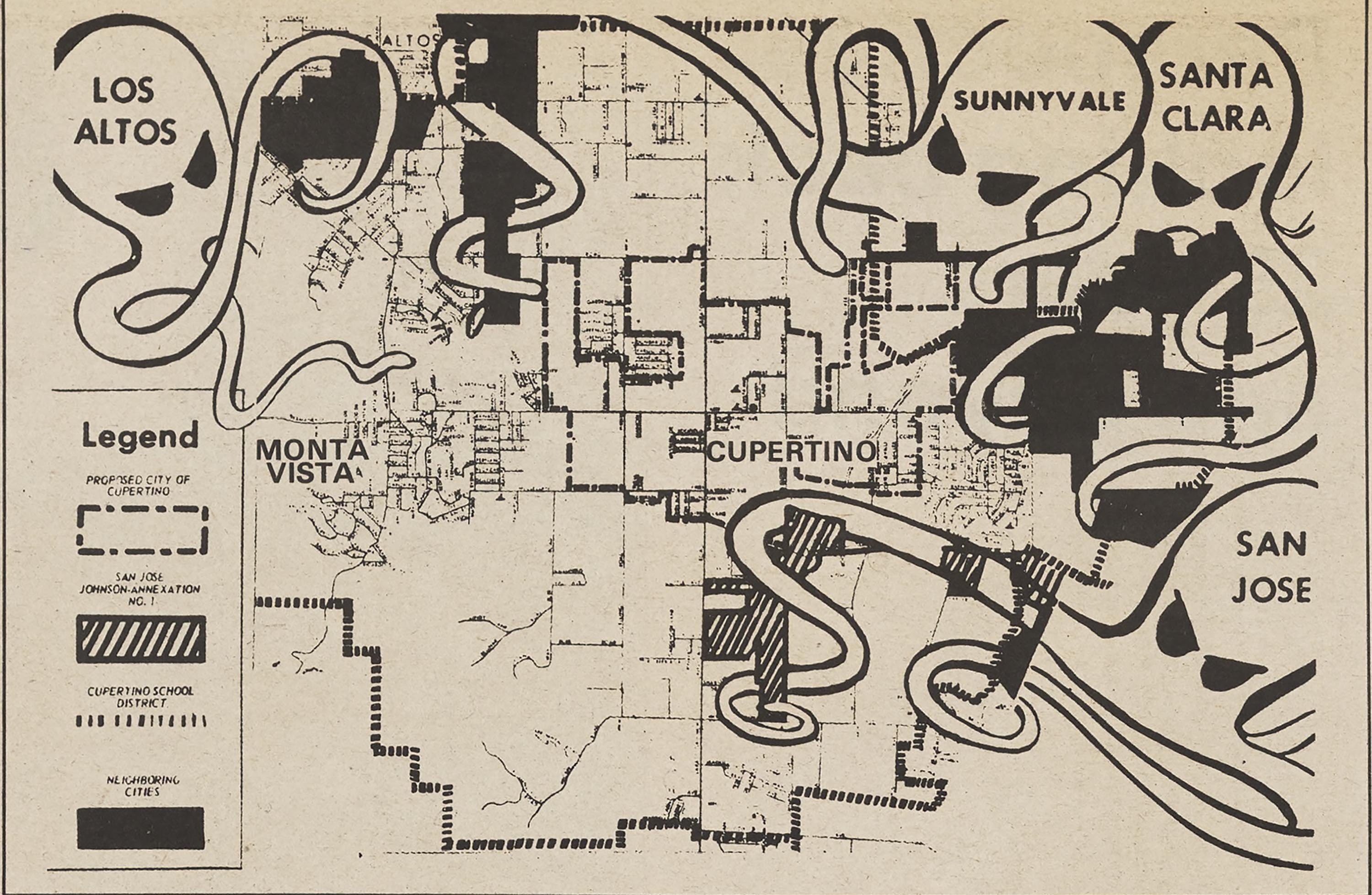
Cupertino 70th Anniversary (1955-2025)A brief history of the city of Cupertino, in celebration of the 70th anniversary of incorporation. On October 10, 2025, Cupertino celebrated its 70th year as the 13th incorporated city in Santa Clara county. Originally called the “West Side“ in earlier years - Cupertino was an unincorporated area of the county without specific boundaries up until the mid-1950s. From 1955 onward, the building industry transformed the 4 mile wide boundaries of newly incorporated Cupertino. Orchards and one-room schoolhouses grew into school districts, shopping malls, and industry businesses... |

|
CUPERTINO: From The Ohlone To Crossroads To IncorporationCupertino Museum's permanent exhibit traces the natural history of the area and early Native American settlements, through the famous “Crossroads” and agricultural era, up to the Incorporation of the City in 1955. Explore artifacts, original documents, and photographs paired with the incomparable pen and ink drawings of Cupertino’s own artist Pete Emig as you find yourself in pre-1950s Cupertino... |
|
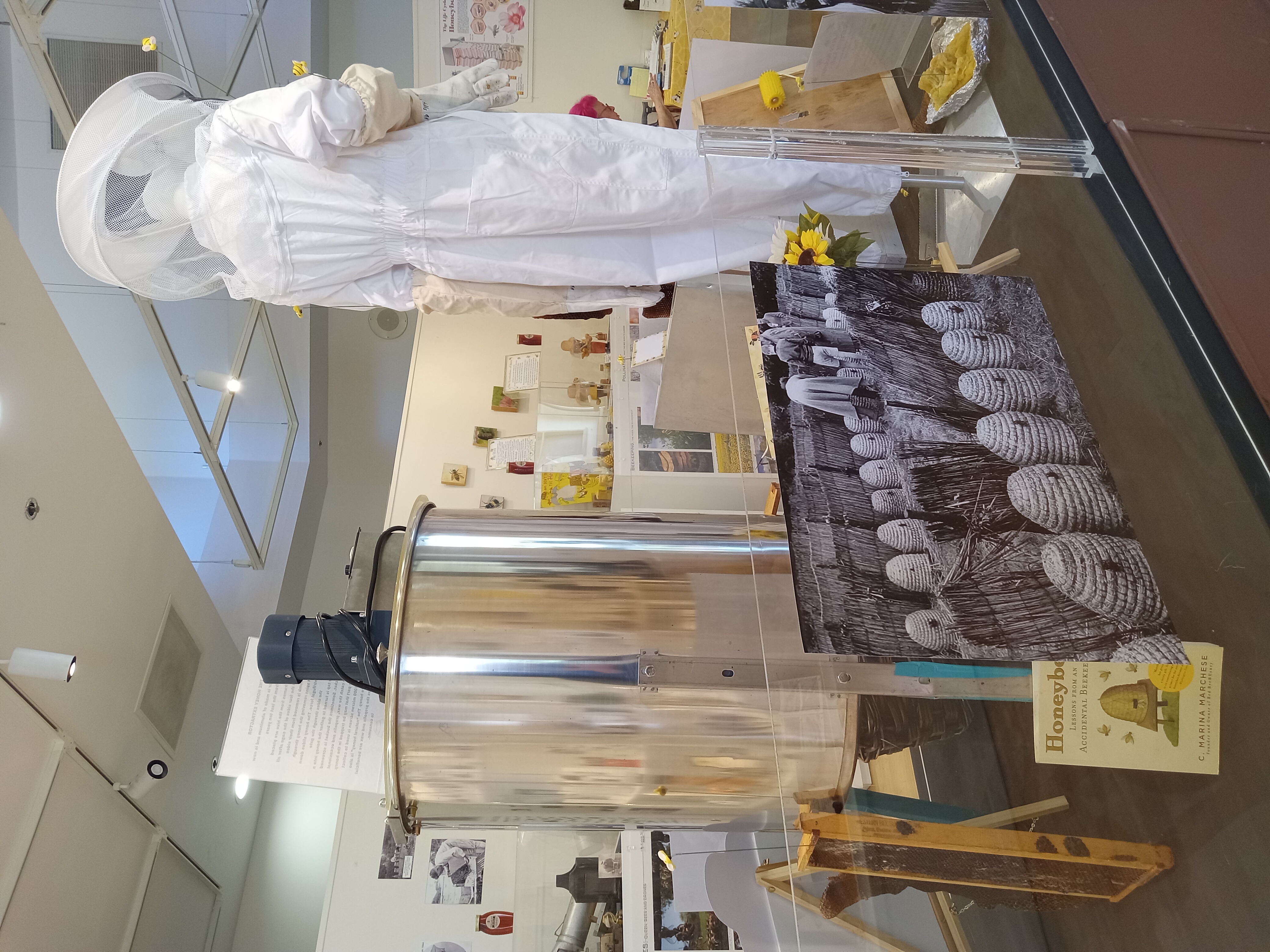
The World of the HoneybeeMany stories have been told of the coming of honeybees to California. In 1925, Mrs. Fremont Older interviewed Mr. John Quincy Adams Ballou - then 99 years old – for his story on how honeybees came to our valley. Mr. Ballou related that in 1852, Commodore Stockton sent a great shipment of plants, shrubs and trees to San Jose from a ranch that Stockton had bought from James A. Forbes. The large shipment was in the charge of a botanist named Christopher Shelton... |

|
Gadgets Galore! Transforming the American HouseholdEveryday household and personal use items are a quick visual way to measure changes in society. Compare anything to its counterpart from 20, 50 or 100 or more years ago. Everything was new at a certain point, causing excitement in consumers and transforming everyday life. The modifications over time can consist of materials used, places they were made, and technology becoming more sophisticated and improving the function. Some of these gadgets are indicative of values that have shifted over time, making an object once commonplace and essential now obsolete... |

|
Victorian Hair Craft and MementosThe Victorians were also extremely sentimental and family oriented. Many families were large and wanted special tokens of their loved ones. Hair art and other “body” mementos like plaster casts of hands and death masks went well with the Victorian style of decorating. We don’t know exactly when the McClelland family started making these designs but it includes Dr Nicholas Miles McClelland, his wife Anna and their ten children. A close guess is 1855. It then was added to and passed on finally being completely assembled and framed around 1912... |

|
Stepping Out in 1880The garments and accessories a woman in the late Victorian era would use to get ready for a social outing such as a cotillion dance or a theater performance (movie theaters had not yet arrived). Up until the 1950s ladies felt required to wear a hat and gloves. Hat pins and handkerchiefs were also needed. The black dress on display has a waist level bow with pockets for giving and receiving calling cards... |

|
Wineries in CupertinoBefore Cupertino was really a town - when it had a blacksmith shop and a general store at the Crossroads and very little else - immigrants from France, Germany, Italy, and even overland from east of the Rocky Mountains came to California, not to search for gold, but to buy and settle and work the land. Land was gold. This is the story of the many wineries along Montebello Road that winds its way up the mountains west of Cupertino... |

|
Homage To The Information Technology Revolution: 1975 To 1985The story of visionaries and entrepreneurs who, between 1975 and 1985, turned digital breakthroughs into a cultural revolution. During the next 30 years, this group of pioneers, championing what they called the “noble cause,” making information accessible to everyone... |

|
Silicon at AppleThere are some interesting details about the Mirage sculpture on Apple 2 campus in Cupertino that may not be immediately apparent. It is made of silicon, the material for which "Silicon Valley" is named. This article discusses the properties, production, and use of silicon... |

|
Kelly TruckThe vehicle is very rare. Fewer than 15 were ever made and there are only about a dozen Kelly trucks of any kind that exist assembled today. This truck is the 1912 5 ton K-50 model with 32.4 horsepower. These trucks were slow movers with a top speed of around 7 MPH. This made it perfect for the farm and orchard work needed in Cupertino and the valley... |

|
Product LabelsThe CHSM collection has many product labels. Most we have found and imaged are labels for fruit cans. But many Cupertino industries have distinctive product labels. From computers to wine, local artists have been kept busy... |
|
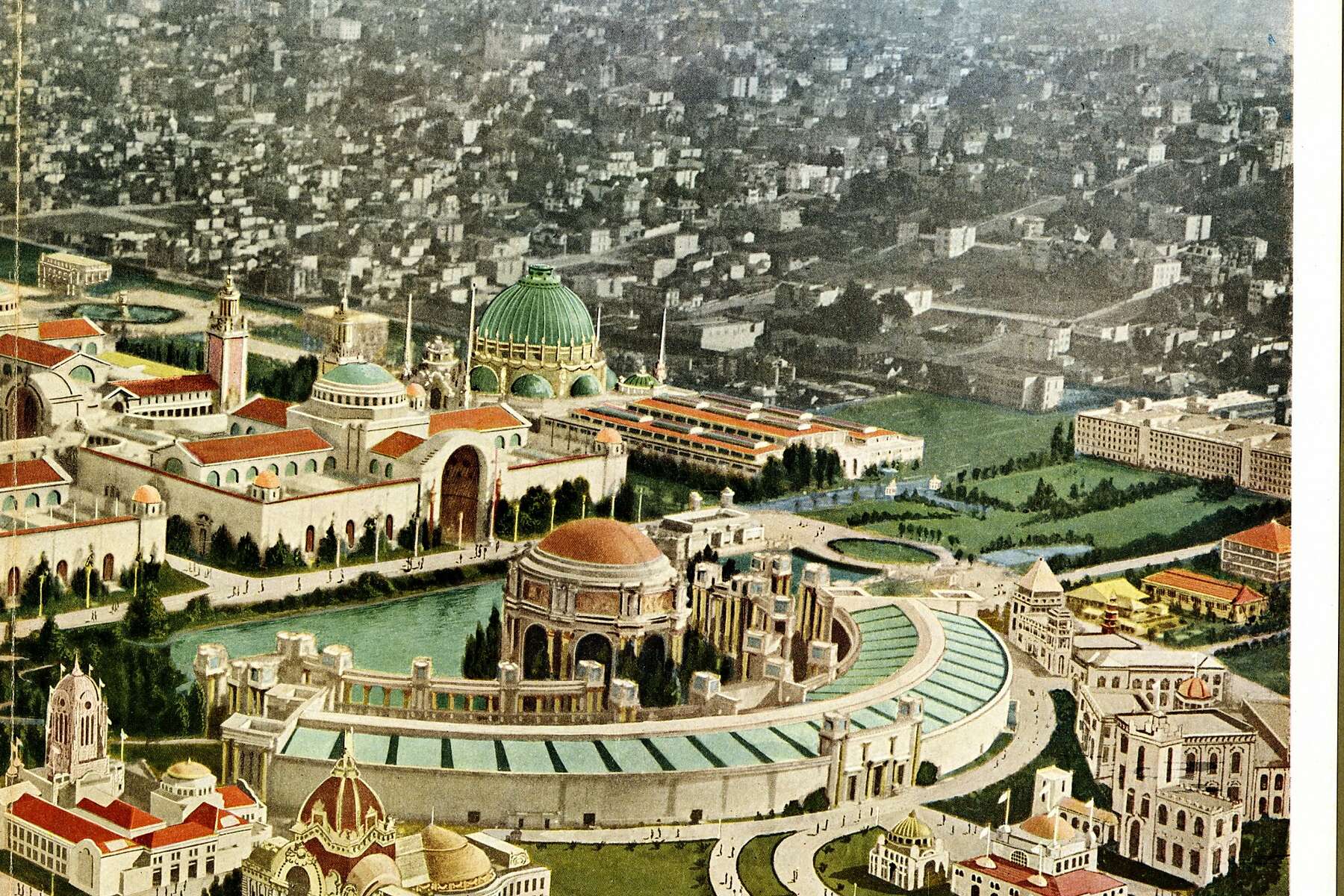
Panama-Pacific International Exposition, 1915San Francisco (dedicated to St. Francis) in the year of 1914 watched with trepidation the darkening war clouds gradually spreading over the continent of Europe. They had ample reasons for being alarmed for they had looked forward to holding, a Fair, an Exposition for the period February 20th through Dec. 4th, 1915 in honor of the opening to traffic of the Panama Canal on August 15, 1914. State after State were completing their buildings and their exhibits. The Pacific Northwest and other producing timber areas with their incomparable lumber assets was representatively indentified with the Hoo-Hoo Building, it being an Exposition Club House for all Lumbermen. It is said that the term or word Hoo-Hoo is used as a warning Signal when a tree-faller is about to topple a forest giant... |
Local Families and People |
|
|
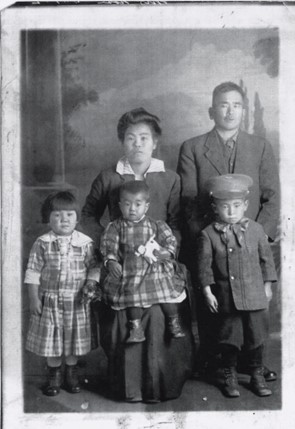
Nose FamilyThe elder Mr. Nose left Fukuoka, Japan in 1907 and settled first on Oahu, Hawaii where he worked in a candy store. When he came to the mainland and to Calif. he settled first on Agnew and worked as a laborer in the pear orchards of Brecker Ranch. In 1920 he moved his family to the Santa Clara area where he worked as a sharecropper on Bowers Ranch, growing berries and vegetables. Between 1913 and 1917 three children were born unto the Nose family, a son Kay, 1913, a daughter, Natsue in 1913 and a second Arnold, in 1917... |
|
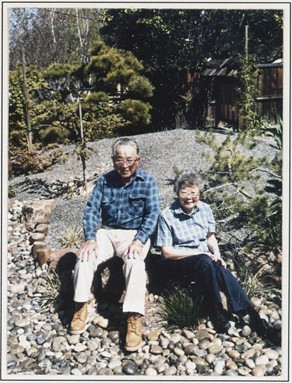
Hirata FamilyMas Hirata's father, Sakuhei Hirata, came to the United States from Kumamoto, Japan with a group of single men around 1890. He stopped in Hawaii for a short time, then went to the northwestern part of the United States. He settled in the state of Washington or Montana, where he worked for the railroad. From the northwest, he then moved to Watsonville, California to work for John Brakovich, an apple grower... |
|
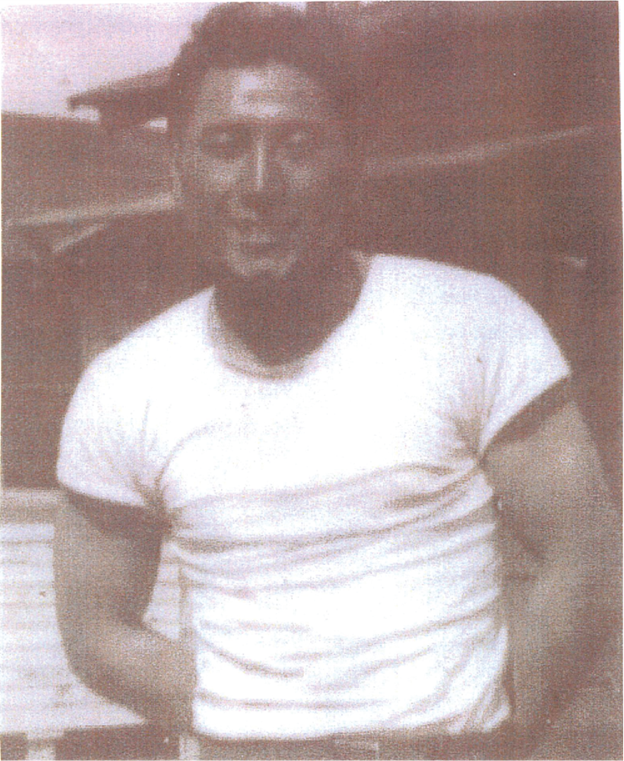
Satake FamilyFirst, like many farm families who had not yet acquired their own land, Mr. Satake's family moved regularly to follow the job opportunities of his father. This was a common rural lifestyle. Catherine Gasich's father, Louis Paviso, for example, began working for a winery in Healdsburg before coming to work for Leland Stanford. For a number of years, Japanese-American families had little choice but to follow jobs because they faced legal discrimination. California law in the early decades of the twentieth century forbade Japanese not born in the United States from owning property in the state. However, as this interview notes, beginning in the 1920s Japanese-American parents began to purchase property in the names of their American-born offspring... |

|
Across the plains in ’49 - History of JP BubbMr. John P. Bubb had seen this wonderful country, the Santa Clara Valley, develop and grow, blossom and bloom, and had a large share in making it the gloriously delightful and fertile valley that it is to-day - one of the garden spots of the world. When he first came to the valley the main products of the soil were mustard and squirrels; the roads were trails and land was high at forty dollars an acre. Hundreds and hundreds of acres in the heart of the valley were said to be so poor that a jack rabbit would starve on it... |

|
Fremont and Cora Older - Bay Area JournalismFremont and Cora older were prominent California journalists and historians. You may be familiar with the Fremont Older Open Space Preserve, which was the site of their Woodhills home. Fremont Older was a “muckraker”, a journalist of the Progressive Age who sought to expose corruption, eliminate unfair business practices, and improve society through social reform. Cora Baggerly Older had a strong interest in history and wrote novels, non-fiction, interviews, essays, and articles tackling social issues... |

|
Painless Parker - Eccentric Cupertino DentistBorn in New Brunswick, Canada in 1874, Edgar R. Parker must have been a handful as a child and young adult. His parents decided his loud voice and outgoing demeanor would perfectly suit a Baptist preacher. He was dispatched to a seminary, where his behavior so affronted the educators that he was asked to leave. He then went to dental school. His academic prowess was not impressive but he eventually got his certificate of proficiency. His ensuing career is the stuff of Hollywood at its most fantastical... |
Local Businesses |
|

|
Apple ComputerApple Computer was formed by friends Steve Jobs and Steve Wozniack who met in 1971 and later attended the Homebrew Computer Club in Menlo Park. Apple had long been spread out among many buildings around Cupertino, but before his death Steve Jobs had envisioned an immense new headquarters that he said would be akin to a spaceship landing. The campus dubbed “Apple 2” was completed in 2017... |

|
Blue PheasantThe Blue Pheasant is a restaurant/bar serving classic American Cuisine since 1974 at 22100 Stevens Creek Blvd. It is one of the most popular destinations in Monta Vista adjacent to the Blackberry Farm Golf Course. Located behind the restaurant is a historic tank house that belonged to orchardist Nathan Hall - one of the founders of Monta Vista... |

|
Cupertino LibraryA lending library in Cupertino started with donations of the book collections of Elizabeth Lowe Watson and Mary Tinkham Dixon. Mrs Dixon formed the West Side Book Club which charged a small membership fee and was originally located in her home. Soon it was moved to the Cupertino Store at the Crossroads and the name was changed to the Cupertino Book Club. It then became the Cupertino Free Library under the Santa Clara County free library system. A proper library with its own building was finally opened in December 1960... |

|
Paul & Eddie'sAt the end of 1944 Paul and Harry purchased the Monta Vista Inn from Chester Damico. At the time it was located on Peninsula Avenue but zoning changes soon gave it a very visible location on what we all know as Stevens Creek Blvd. It became known as Paul and Eddie's after the customers just kept calling it that. Paul believed it was (and still is) the oldest standing building in Monta Vista. In 2023 the Inn celebrated their 80th year as one of Cupertino’s most beloved and iconic businesses... |

|
R. Cali & BroIn 1907, Rosario Cali came to California from Italy. He and his brother, Sam, started a grocery and fruit business. A business trip took Rosario Cali through Cupertino where he decided to settle and take up farming, assisted by his brother Joseph. In 1923, Rosario and Joseph started the “R Cali and Bro” trucking company. In 1928, the brothers purchased nine acres on the “Crossroads” - now De Anza and Stevens Creek Boulevard - and built a warehouse selling hay, grain, and farm supplies. It was Cupertino’s first million dollar business... |

|
Rancho RinconadaRancho Rinconada is a residential neighborhood in eastern Cupertino. The homes found there were originally low-cost, single-story houses built in the 1950s by building firm Stern & Price. This style was called “Ranch Houses” and were designed by architect Cliff May. In March 1999, the residents of the unincorporated part of Rancho Rinconada voted to be annexed to Cupertino. As of 2020, the neighborhood was made up of an eclectic group of homes, from the old modestly built Rancho houses of the 1950s, to the higher-end executive homes of the 2000s and 2010s... |

|
Yamagami NurseryTaro Yamagami started Yamagami’s Nursery as a fruit stand in the midst of orchards in San Jose, California. With his brother Jiro, Taro Yamagami is credited with designing and installing many of the older landscapes in the area. In 1963, Taro decided to concentrate on the landscape portion of his business and sold the nursery to Mas and Betty Oka. After 20 years of hard work, Mas and Betty retired in 1983 and their son, Preston, took over the business. Jump ahead 30 years and it is Brittany Sheade, Preston’s daughter, and her husband, Mike Sheade, who take over the business... |