Satake Family
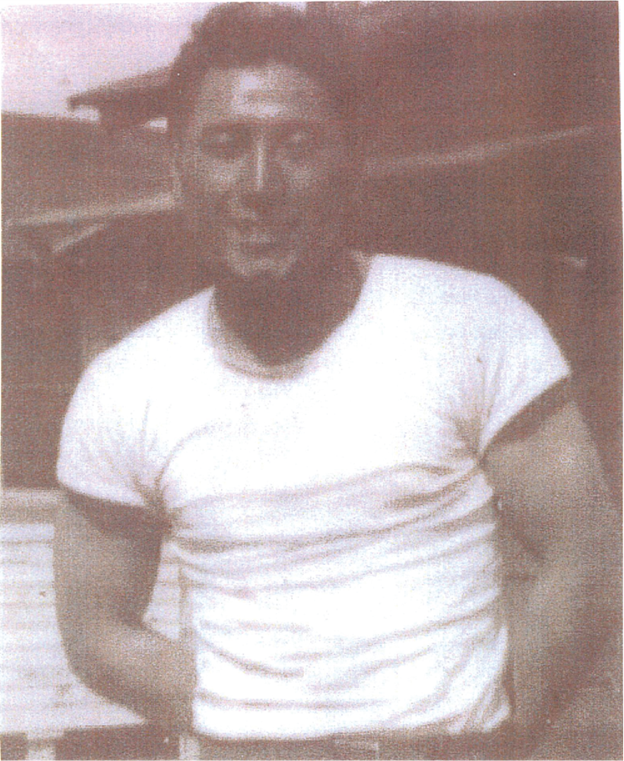
ジェームズ・サタケの写真
Did you know…? The name of the city of “Cupertino” hasn’t always been pronounced the same as it often is today. Instead of being pronounced like /ˌkuːpərˈtiːnoʊ/ KOOP-ər-TEEN-oh, it was pronounced as /ˌkjuːpərˈtiːnoʊ/ KYOOP-ər-TEEN-oh, like in “cute” or “cupid”. This older pronunciation is still heard today among the older generations!
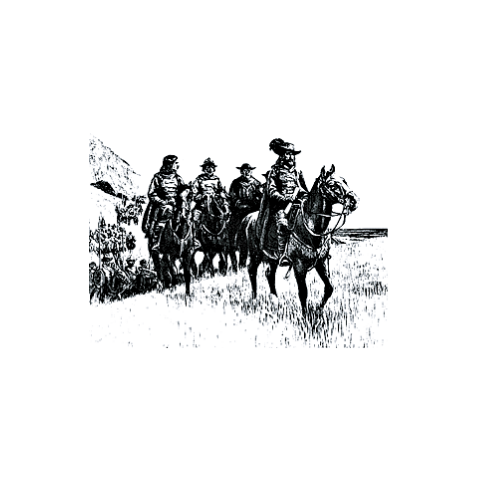
カリフォルニア州サンタクララ・バレーのキュパティーノにおける初期の日本人家族
これは「Cupertino Historical Society and Museum」と「Cupertino-Toyokawa Sister Cities Program」の共同制作です。
ご存知でしたか…?
かつて、Cupertinoの都市の名前は、今日一般的に発音されるものとは英語で異なっていまた。現在では、現地での発音は /ˌkuːpərˈtiːnoʊ/ であり「クーパーティーノウ」に近いが、以前の世代では /ˌkjuːpərˈtiːnoʊ/ であり、「キューパーティーノウ」に近いと読みました。
これが、この都市の名前が日本語で「クパチーノ」「クパティーノ」「キュパティーノ」「キュパーティノ」など、様々な表記方法で書かれてきた理由の一部です。
CHSMは、将来の世代のためにCupertinoの歴史を保存するという趣旨から、この展示では、より古い表記である「キュパティーノ」を使用することにいたしました。
A Student in the Valley - An Interview with James Satake
Editor's Note
This interview differs a little from the others associated with the [original] exhibit, "Education in Cupertino” because Mr. Satake was not a student in one of the Cupertino schools. I have included it with the others because I think it makes a couple of large points about education in Cupertino.
First, like many farm families who had not yet acquired their own land, Mr. Satake's family moved regularly to follow the job opportunities of his father. This was a common rural lifestyle. Catherine Gasich's father, Louis Paviso, for example, began working for a winery in Healdsburg before coming to work for Leland Stanford. He then went back to Napa and finally, when he acquired property here, returned to the Cupertino area.
For a number of years, Japanese-American families had little choice but to follow jobs because they faced legal discrimination. California law in the early decades of the twentieth century forbade Japanese not born in the United States from owning property in the state. However, as this interview notes, beginning in the 1920s Japanese-American parents began to purchase property in the names of their American-born offspring.
Farm children often attended a number of different schools over the course of their education. It was not uncommon for a child to attend one school, move away for a year or so, and then return. Also, because city and township boundaries were not as established as they are now, a student technically might be in the same district whether [they were] in Sunnyvale, Cupertino or Los Altos because they all were "county" (i.e., rural) schools. Students were apt to identify themselves as valley or city kids more than as "Cupertino" or "Los Altos" residents.
Certainly Santa Clara County used this distinction because county students had to pass special entrance exams in order to attend "city" high schools like Palo Alto or San Jose. As [the original] exhibit recounts, especially after 1921 there was a conscious effort to define a particular character for "Cupertino" schools. Up through World War II, however, the mobile farm lifestyle was at least as common as that of the settled property owners who identified with one locale.
The second point I want to make grows out of this. This point is more fanciful but no less real. Specifically, [...] other oral histories recount the incredible growth of the Cupertino school district that began in the 1940s. New schools opened every year and children regularly were shuffled to different schools as the attendance boundaries changed. My point is that mobility and change are two of the most enduring characteristics of the Cupertino identity.
Mr. Satake's experiences are different from those who spent their school years solely at Cupertino Union School [at the site of the modern day Cupertino Fire Station on 20215 Stevens Creek Blvd], but his may be the more typical life.
- Mary Sheila McMahon, 1993
Shinajiro Satake
I was born on January 5, 1924 on Rte. 2, Box 224, Mountain View. I'm the third child of Mr. and Mrs. Shinajiro Satake. I had an older brother and sister and a younger sister. My Dad came in 1906, the year of the San Francisco earthquake. He was called by his Dad, who was over here trying to make his fortune. He went back in 1920 and got married and came back to the U.S in 1920. He went back with friends, the Hijashis and the Ikidas to bring back their brides. He settled in the Bay Area, and did mostly farm labor in San Jose and Hollister, Spreckels Sugar in Salinas.
In 1924 he was in Mountain View as a foreman for Charlie de Martini, who owned a wholesale vegetable house in San Francisco; the Commission Market, right down on Washington Street, just off the Embarcadero. It attracted local farmers from all around here. De Martini planted an orchard in Mountain View. There were four families raising strawberries [there]. At that time, they didn't sterilize the soil, so strawberries were a two-three year proposition, then they'd move the plants elsewhere. The first two to four years in an orchard, there is no crop, so he had a strawberry farm. Then, when the strawberries were finished, the orchard started producing (apricots and prunes). Later, when my folks were farming themselves, they'd send to the commission markets, but at the end, they just sold at the ranch. They were willing to sell everything rather than take a chance on the commission. My Dad used to go almost every Saturday to the market. They're supposed to send you returns of how much you sold but sometimes you'd never get the returns [the receipts].
Before 1913, [Japanese-Americans] were able to purchase property, but after 1913 they could not. By the mid-1930s, they had [American-born] children of age to purchase property. That's what happened to us. My brother was 20 years old and the property was purchased in his name. We were pulling the trees out when the Japanese bombed Pearl Harbor. We had to evacuate the next spring. We kept the property, though. We were fortunate because we had honest people caring for the property. Our attorney had another client in the business who agreed to sharecrop. He [the attorney] rented out 10-12 acres to A.L. Castle, a seed and spray company. He sold a lot of fertilizer, insecticides and seeds. Later my father became very close to Mr. Castle.
In the fall, there was a creek running through the property. They'd take tomatoes to the cannery, which would give back the pulp and seed. Castle would run these through the creek water and retrieve the seeds. My Dad and Castle would fight initially and then got to be best friends.
In his early years, my Dad went to Webb Ranch [in Portola Valley]. Mr. Webb had four sons. The youngest, Stanley, was about my brother's age. We ran around together a lot. Mr. Webb had a 99 year lease on the Stanford property. He was very fortunate to build, etc., but he couldn't own it. Just to get water, you had to go up to get the Searsville Dam open and get water from San Francisquito Creek. He had a gas motor and a centrifugal pump and that's how they irrigated.
Early School Days as a Farm Kid
I started school around 1929. We were at Webb Ranch. I went to Central School in Menlo Park, where Anderson Cadillac is now, on El Camino Real. Maybe in 2d or 3d grade, I used to go to school and then Japanese school for an hour. I recall asking the teacher to tell us stories so we wouldn't have to study. In 1933, at 9 years, my father took the whole family and went to Japan because my mother was the oldest of two daughters. In Japan, the oldest receives the estate of the family.
They had farmland, a little country store, two ships to freight from Korea to Japan. None of us wanted to go. We spent six months, to Spring of 1934. No one wanted to stay and take over. In Japan, I was called into the principal's office every day because I was the only one who didn't understand Japanese. They'd [the Japanese students] call me names and I'd just run and toss them into the irrigation ponds. My grandparents were afraid that if we went back, they'd never see us again, so they talked my older brother into staying for two years, until he was 16. My aunt (in Japan) received the whole estate.
When we came back in 1934, Dad became foreman of Webb Ranch. They had two camps there (4 sharecroppers each): a lot for that time. It was very labor intensive. Webb was President of the Central California Berry Growers Association. When Dad came back, he was penniless, so he sharecropped with a Chinese family, the Chiu's, on Middlefield Road in Palo Alto: vegetables—cauliflower, celery, peppers, broccoli, spinach. It was between Loma Verde and the drainage canal, down to Waverley.
School Sports
[In high school], I didn't have the stature for basketball. In those days, they had [four teams:] "110s," "120s," "130s," and "unlimiteds." You had to have under 110 units, say, measured by height, weight and age. If you were older, you had to be smaller and lighter. I was in the 120s, but that team played in the fall, during football season. We were busy on the farm then, so I went out for the 130s and played two years, in 1939-1940.
Grade schools either played or didn't. I don't recall basketball in grade school. I played baseball then—hard ball, with no equipment. I played but I never was much into listening to sports events [on the radio]. In the wintertime, it was hard to get outdoor sports and we did have two gyms [at Palo Alto High]. So the P.E. classes were either basketball or volleyball. Regular P.E. teachers coached the 130s and Unlimiteds.
In those days, there was only one bus, so sports teams had to find their own transportation. I took the family car because they wanted me back to work as soon as possible. A 1938 Pontiac. We'd usually go in two cars. Coach would drive another. My family used to say/joke I was [just] the transportation.
The HQs and 120s were mostly Chinese and Japanese kids. The 130s on, there were very few Japanese kids because they were bigger. You had to have been a real good player [to play on those teams]. Hodd Ray was the chief coach at Paly. George Hurley coached Junior Varsity. He was from Oregon State, always coaching defense. They were switching to the one-hand jump shot then. I was 15-17 years old. I looked forward to it [basketball]. Of course, I had to study. I tried to have good grades and join the Scholarship Society. The kids in the Society would say [critically]: "You take shop and woodwork." I said: "I'll use them more in my life [on the farm] than your Latin." I tore down and rebuilt a car engine in 1943: a 1941 Buick Supra sedan.
That was the Peninsula Athletic League (PAL): Palo Alto, Sequoia, South San Francisco, Burlingame, San Jose, San Mateo. The Valley League was the farm kids: Fremont, Santa Clara and smaller schools. In the old days, Japanese folks wanted kids to go to school and college but nobody would hire them, so they came back and became farmers, gardeners. But when they could buy property, it became valuable. Some Japanese became section foremen on the railroad but when the war came, they all got fired. Their children got to go into cities.
I always felt, "You've got to stay in your place," but like in the Scholarship Society, they'd say,"You shouldn't even be here." I'd say, "I need them [the classes] for what I'm planning to do." I'm doing things that are practical. My generation was "too practical." The basketball team was pretty much of a group.
I couldn't invite them out to the farm for a hot dog dinner; I never did. But I was invited to their homes for hot dog dinners. Tetsuo Fujikao, he thought there was a lot of discrimination [then]. But he played for the 110s-120s. He thought the others thought they were a little better. I didn't think that way. I was surprised that some became successful because I didn't think they were very intelligent. If they ever said anything to me [that was discriminatory], I'd punch them in the nose.
In those days, there was not so much emphasis on high-tech things. Education today has a lot more technical things, where we were getting basic, survival-type education. Education to get along [in life and in work]. To me, they may learn more [today] but part of education is to learn how to get along in society.
When Pearl Harbor happened, they'd say: "Oh, this Japanese family had weapons and short-wave radios." EVERY farm family had a shotgun and a .22 rifle. We used to hunt birds: a .410 and 12 gauge for quail, ducks, pheasants.
Girls' and Boys' Experiences
Boys and girls had different experiences then. In girls' basketball, there were six on a team but three couldn't go across center court. Swim, track: girls didn't go out for those. The Japanese girls also—our heritage—did their things and the boys did theirs. We'd divide up the chores. We'd get one penny an hour and save up for school supplies. Girls didn't think it fair they got one cent an hour for housework while boys got three cents an hour for the tractor.
California law was that you stayed in school until you were 16. Dad's oldest sister didn't finish high school but was sent to San Francisco to sewing school to learn a trade and craft. Farm labor was twelve to fifteen cents an hour, maybe eighteen to twenty if you had a special skill. Even at that rate, it was hard to farm and hire people, so families depended on children as much as they could.
Schools prepared kids for what their lives would be. In Palo Alto, most of the kids were not from farms. As far as Japanese families here, there are probably fewer today than in the old days, but a lot more Asians now in school today.
The Second World War
We left [during the evacuation] voluntarily in 1942 just before everybody was put into the internment camps. We loaded the truck and the sedan and moved to Nevada. A vegetable seller in Redwood City praised Nevada, but the water wasn't good and the ranch was 60 miles from Winnemucca, not a good market place. We ended up going to farm labor in Utah.
We were drafted into the service. We could have stayed out because we were classified as "essential farm labor" but both my brother and I left for service. I ultimately went to Europe but V-E Day came during the port of embarkation. I was in the occupational forces, in the area of Germany close to Austria.
The 442 and the 552 were all-Japanese units in the Army. We trained for them but after V.E. Day, I went to the truck company. I went in as platoon leader. I had to do everything: morning report, K or C rations, individual ones. We'd go to a place where they'd have a depot and have our meals. Especially trucks, they don't come back at a certain time, so you can't eat in a mess hall. Everyone would say [of me]: "He's dependable." It's a waste of time to be dependable in the service.
Later Life
James married Akiko Kato in 1955 and the pair had three children named Russ, Julie, and Gail. James was involved in the Mountain View Buddhist Temple and has been credited with contributing to its growth. James served as president of the temple from 1968 to 1969. Akiko tragically passed away in 1975.
In the 1950s, James went into the flower business known as Satake Nursery. James's son Russ later joined James in the nursery business after graduating from UC Berkeley where the two of them worked until the nursery closed in 2007.
In 1980, James married Fumie Keikoan. James was a well-known, respected leader in many organizations such as the Mountain View Buddhist Temple, Fremont Fire District, Tri-City Association, and Hiroshima Nikkei Jin Kai. He also was an Honorary Ambassador for the Mountain View-Iwata City Sister City Program. In September 2001, James received a Congressional Resolution in recognition of his many years of outstanding public service, presented by Congressman Mike Honda. James passed away at 89 years of age on September 27, 2013.
谷間の学生 ジェームズ・サタケ氏へのインタビュー
編集者注記
このインタビューは、[オリジナルの]展示「キュパティーノの教育」に関連する他のインタビューとは少し異なります。 なぜなら、サタケ氏はキュパティーノの学校に通っていなかったからです。 しかし、私は、それがキュパティーノの教育についていくつかの重要なポイントが含まれていると考え、他のインタビューと共に掲載しました。
まず、多くの農家がそうであったように、まだ自分の土地を所有していなかったサタケ家の家族は、父親の仕事探しのために頻繁に引っ越しをしました。 これは当時の一般的な農村の生活スタイルでした。 例えば、キャサリン・ガシッチの父、ルイス・パヴィソは、最初にヒールズバーグのワイナリーで働き、その後リーランド・スタンフォードのために働くようになりました。 その後、ナパに戻り、最終的にここで土地を手に入れてから、キュパティーノ地区に戻ってきました。
長年にわたり、日系アメリカ人の家族は法的な差別に直面していたために仕事を追い求めて移動せざるを得ませんでした。 20世紀初頭のカリフォルニア州の法律では、アメリカで生まれていない日本人が州内で土地を所有することを禁じていたのです。 しかし、このインタビューにもあるように、1920年代から日系アメリカ人の親たちは、アメリカ生まれの子供たちの名義で土地を購入するようになりました。
農家の子供たちは、教育の過程でいくつもの異なる学校に通うことがよくありました。 一つの学校に\通い、その後1年ほど別の場所へ移り、再び元の学校に戻るということは珍しくありませんでした。 また、当時の都市や町の境界線は現在ほど明確ではなかったため、サニーベール、キュパティーノ、ロスアルトスのいずれに住んでいても、実質同じ学区に属していました。 なぜなら、それらの学校はすべて「郡立」(つまり農村部の)学校だったからです。 生徒たちは「キュパティーノ」や「ロスアルトス」の住人というよりも、「谷間の子供」または「都会の子供」として自分を認識することが多かったのです。
確かに、サンタクララ郡は、こうした学区を区分けしていました。 というのも郡の生徒は、パロアルトやサンノゼのような「都市部」の高校に通うには、特別な入学試験に合格する必要があったからです。 [オリジナルの]展示でも語られているように、特に1921年以降、「キュパティーノ」の学校の特徴を明確にしようとする意識的な取り組みがありました。 しかし、第二次世界大戦まで、移動を伴う農家の生活様式は、特定の地域に定住する土地所有者の生活と同じくらい一般的でした。
ここから私が強調したい2つ目のポイントが表れてきます。 やや抽象的かもしれませんが、決して非現実的ではありません。 具体的には、[...] 他の口述歴史によると、1940年代に始まったキュパティーノ学区の驚異的な成長が語られています。 毎年新しい学校が開校し、学区の境界が変わるたびに子供たちは異なる学校へ移動させられました。 私がお伝えしたいのは、「移動」と「変化」がキュパティーノのアイデンティティの最も持続的な特徴であるということです。
サタケ氏の経験は、キュパティーノ・ユニオン・スクール(現在のキュパティーノ消防署のある20215 Stevens Creek Blvd)だけで過ごした人々とは異なります。 しかし、彼の経験こそが、より典型的な生活だったのかもしれません。
1993年の聞き手:メアリー・シーラ・マクマホン
サタケ シンジロウ
私は1924年1月5日、マウンテンビューのRte. 2、Box 224で生まれました。 私はサタケ シンジロウ夫妻の3番目の子供で、兄と姉、そして妹がいました。 父は1906年、サンフランシスコ地震の年にアメリカへ来ました。 彼は当時アメリカで財を成そうとしていた父(私の祖父)に呼ばれたのです。 彼は1920年に日本へ戻り結婚し、再び1920年に渡米しました。 彼は、彼は友人のヒジャシ家やイケダ家と共に戻り、それぞれの花嫁を連れてきました。 彼はベイエリアに定住し、主にサンノゼやホリスター、サリナスにあるスプレケルス・シュガーで主に農業労働に従事しました。
1924年、父はマウンテンビューで、青果市場「コミッション・マーケット(サンフランシスコのワシントン通り、エンバーカデロ近く)」を所有していたチャーリー・デ・マルティーニの元で監督として働いていました。 この市場は、地元の農家が集まる場所でした。 デ・マルティーニはマウンテンビューに果樹園を開き、そこには4家族がイチゴを栽培していました。 当時は土壌の殺菌が行われておらず、イチゴ栽培は2~3年が限度で、その後は別の場所へ移植する必要がありました。 果樹園の最初の2~4年は作物が収穫できないため、イチゴ農園が利用されました。その後、イチゴの収穫が終わると、果樹園は(アプリコットやプルーンの)生産を開始しました。 やがて、私の両親が自ら農業を営むようになると、最初は市場に作物を送っていましたが、最後には農場で直接販売するようになりました。 市場に作物を送るよりも、全て売り切るほうが確実だったからです。父はほぼ毎週土曜日に市場へ行きました。 本来であれば、売上の明細が送られてくるはずでしたが、時にはそれが届かないこともありました。
1913年以前、日本人移民は土地を購入することができましたが、1913年以降は禁止されました。 1930年代半ばになると、アメリカ生まれの子供たちが成長し、土地を購入できる年齢に達しました。 私たち家族も同じ状況でした。兄が20歳になったとき、彼の名義で土地を購入しました。 ちょうどその頃、私たちは果樹を伐採していたときに日本が真珠湾を攻撃しました。 翌年の春には、強制収容のために退去しなければなりませんでした。 私たちの土地を手放さずに済みましたが。幸いなことに、誠実な方が土地を管理してくれたのです。 私たちの弁護士の農業関係の顧客が、分益小作契約に同意してくれました。 その弁護士は10~12エーカーの土地をA.L. キャッスルという種子・農薬会社に貸し出し、キャッスルは多くの肥料、殺虫剤、種子を販売しました。 後に、父はキャッスル氏と非常に親しくなりました。
秋には、私たちの土地に小川が流れていました。 トマトを缶詰工場に運ぶと、果肉と種を戻してくれました。 キャッスルはこれらを小川の水で洗い流し、種子を回収していました。 最初は父とキャッスルの間に対立がありましたが、やがて親友になりました。
幼少期、父はポートラバレーのウェッブ牧場に通っていました。 ウェッブ氏には4人の息子がおり、一番年下のスタンリーは、私の兄と同じくらいの年齢でした。 私たちはよく一緒に遊んでいました。 ウェッブ氏はスタンフォードの所有地を99年間借り、建物を立てることができ、幸運でしたが、土地を所有することはできませんでした。 水を手に入れるだけでも、シアーズビルのダムまで行って開け、サンフランシスキート・クリークから水を引かなければなりませんでした。 彼はガソリンエンジンと遠心ポンプを使って、水引きを行っていました。
農場の子供としての初期の学校生活
私は1929年頃、学校に通い始めました。 当時、私たちはウェッブ牧場にいました。 私はメンロパークのセントラルスクールに通っていました。 現在、その場所にはエルカミーノ・レアル沿いにアンダーソン・キャデラックがあります。 確か2年生か3年生のころ、学校の後に1時間ほど日本語学校に通っていました。 勉強しなくてもよいように、先生に物語を話してもらうよう頼んだことを覚えています。 1933年、9歳のとき、父は家族全員を連れて日本に行きました。 母が2人姉妹の長女だったからです。日本では、長子が家の後継者になるのが習わしでした。
彼らには、農地や小さな田舎の商店、そして韓国から日本へ貨物を運ぶ2隻の船を持っていました。 家族の誰も日本へ行きたくありませんでした。 私たちは1934年の春まで6か月間過ごしましたが、誰も家を継ぎたいとは思いませんでした。 日本では、私だけが日本語を理解できなかったため、毎日校長室に呼び出されました。 彼ら(日本人学生)は私をからかい、私は走って彼らをため池に投げ込んだのです。 祖父母は、私たちと二度と会えなくなることを恐れ、兄に16歳になるまでの2年間、日本に残るよう説得しました。 日本の叔母が家督を全て引き継ぎました。
1934年にアメリカへ戻ると、父はウェッブ牧場の現場責任者になりました。 牧場には2つのキャンプがあり、それぞれ4組の小作農がいました。 当時としては多くの人手を必要とする作業でした。非常に労働集約的な仕事でした。 ウェッブ氏はカリフォルニア中央ベリー生産者協会の会長を務めていました。 父が戻ったとき、彼は一文無しでした。 そのため、彼はパロアルトのミドルフィールド・ロードで中国系のチュウ家と小作農をし、カリフラワー、セロリ、ピーマン、ブロッコリー、ホウレンソウなどの野菜を育てていました。 農地はロマヴェルデと排水路の間にあり、ウェーバリーまで続いていました。
学校スポーツ
[高校では]、私はバスケットボールをする体格ではありませんでした。 当時、バスケットボールには「110台」「120台」「130台」「無制限」と4つのチームがありました。 「110台」に入るには、身長・体重・年齢の合計が110以下である必要がありました。 年齢が高い場合は、その分小柄で軽くなければなりません。 私は「120台」チームにいましたが、アメリカンフットボールと同じ秋シーズンに試合をしていました。 その時期は農作業で忙しいため、私は「130台」チームに入り、1939年から2年間プレーしました。
小学校では、その時代にバスケットボールをした記憶はありません。 小学校では防具なしの硬式野球をしました。 プレーしましたが、ラジオでスポーツ中継を聞くことにあまり興味はありませんでした。 冬は屋外スポーツをするのが難しく、パロアルト高校には2つの体育館がありました。 そのため、体育の授業はバスケットボールかバレーボールでした。 体育教師は、「130台」と「無制限」のチームを指導していました。
当時、バスは1台しかなく、スポーツチームは自分たちで移動手段を確保する必要がありました。 家族は私にできるだけ早く農作業に戻ってほしかったので、家の車(1938年製のポンティアック)を使っていました。 1938年のポンティアックです。通常は2台の車で移動し、コーチはもう一台を運転していました。 家族はよく「お前はただの運転手だ」と冗談を言っていました。
「HQ」と「120台」チームは、ほとんどが中国系や日本人の子供たちでした。 「130台」以上のチームでは、相当な実力が必要で体の大きい選手が求められたため、日本人は、ほとんどいませんでした。 パロアルト高校のヘッドコーチはホッド・レイでした。 ジュニア選抜チームのコーチはジョージ・ハーレーでオレゴン州立大学出身、守備の専門コーチでした。 当時、シュートは片手で打つジャンプショットに移行しつつありました。 私は15~17歳でバスケットボールのプレーを楽しみにしていました。 もちろん、勉強する必要があり、良い成績を収め、奨学金協会に入ろうとしました。 協会の生徒は[批判的に]「君は職業訓練や木工の授業を受けているよね。 」と言いました。私は「君たちのラテン語よりも、農場での生活にずっと役立つよ」と言いました。 私は、1943年に1941年製のビュイック・スープラ・セダンのエンジンを分解し、組み立て直しました。
ペニンシュラ・アスレチック・リーグ(PAL)には、パロアルト、セコイア、サウスサンフランシスコ、バーリンゲーム、サンノゼ、サンマテオが所属していました。 バレー・リーグは農家の子供たちのリーグで、フリーモント、サンタクララ、そして小規模な学校が参加していました。 昔、日本人は子供たちに学校や大学へ行かせましたが、卒業後も誰も雇ってくれなかったため、結局農家や庭師になりました。 しかし、不動産を購入できるようになると、それは価値のあるものになりました。 鉄道で区間監督になった日本人もいましたが、戦争が始まると全員解雇、彼らの子供たちは都市へ進出しました。 私は常に「ここが自分の居場所だ。」と感じていましたが、奨学金協会からは「君はここにいるべきではない」と言われました。 私は「自分のこれからのために授業が必要なんです。」と伝えました。 私は実用的なことを学美、私の世代は「あまりにも実用的すぎる」と言われました。 バスケットボールチームは結束力が強かったです。
私は彼らを農場に招いてホットドッグの夕食を振る舞うことはできませんでした。 実際、一度もやりませんでした。しかし、私は彼らの家でホットドッグの夕食に招かれました。 フジカオ テツオは、当時多くの差別があったように考えていました。 しかし、彼は110~120台のチームでプレーしました。 他の選手たちは、少しばかり優れていると感じている、と彼は感じていました。 私はそうは思いませんでした。ある人たちが成功したことに私は驚きました。 なぜなら、彼らが特に賢いとは思っていなかったからです。 もし彼らが私に何か差別的なことを言ったら、私は彼らの鼻を殴ってやるつもりでした。
当時は、ハイテク技術にはあまり重点が置かれていませんでした。 今の教育は技術的なことが多く含まれていますが、私たちはより基本的で生存に必要な教育を受けていました。 それは、社会や仕事で生き抜くための教育でした。 今の教育では、より多くのことが学べるかもしれませんが、社会でうまくやっていくための教育も重要だと思います。
真珠湾攻撃が起こったとき、人々は「この日本人家族は、武器や短波ラジオを持っていた。 」と言いました。しかし、すべての農家もショットガンと.22口径のライフル持っていました。 私たちは鳥を狩るために、0.41口径や12ゲージの銃を使いました。ウズラやカモ、キジをも獲っていました。
女の子と男の子の経験
当時、男の子と女の子の経験することは違っていました。 女子バスケットボールでは、1チーム6人でしたが、うち3人はセンターラインを越えることができませんでした。 水泳や陸上競技に女子は参加しませんでした。日本人の女子も伝統に従い、それぞれの役割を果たしていました。 私たちは家の仕事を分担し、1時間1セントをもらって、学用品のために貯金しました。 女子は、家事で1時間1セントなのに、男子がトラクター作業で3セントもったときは不公平だと感じていました。
カリフォルニア州の法律では、16歳になるまで学校に通う必要がありました。 父の姉は高校を卒業せず、サンフランシスコの洋裁学校送り出され、職業訓練を受けました。 農業労働賃金は1時間12~15セント、特別なスキルがあれば18~20セントでした。 それでも農業を営み、人を雇うのが大変だったため、家族はできるだけ子供に頼っていました。
学校は、生徒たちの将来に備える教育をしていました。 パロアルトでは、ほとんどの子供たちが農家の出身ではありませんでした。 ここでの日系アメリカ人の家族は、昔に比べて少なくなりましたが、今では学校に通うアジア人ははるかに多くなりました。
第二次世界大戦
私たちは1942年、強制収容所に送られる直前に自主的に移動しました。 トラックとセダンに荷物を積み、ネバダ州に移りました。 レッドウッドシティの八百屋がネバダを勧めたのですが、水質が悪く、牧場はウィンネマッカから60マイルも離れていて、市場として適していませんでした。 結局、私たちはユタ州で農作業をすることになりました。
私たちは徴兵されました。 私たちは「必要不可欠な農業労働者」として兵役を免れることもできましたが、兄も私も軍に入ることを選びました。 最終的にヨーロッパに行きましたが、出航の際にヨーロッパ戦勝記念日を迎えました。 私は占領軍として、オーストリアに近いドイツの地域に駐在しました。
陸軍には、442部隊と552部隊という全員が日系アメリカ人の部隊がありました。 私たちはその部隊向けの訓練を受けましたが、V-Eデーの後、私は輸送部隊に小隊長として配属されました。 私は何でもこなさなければなりませんでした。朝の報告、KレーションやCレーション(軍用食)の管理、個人配給などです。 私たちは補給基地のある場所に行き、そこで食事をとりました。 特に輸送部隊では、トラックは決まった時間に戻れないので、食堂での食事は難しかったのです。 周りの人は私のことを「頼りになる」と言いました。 しかし、軍隊では「頼りになる」ことは時間の無駄だとも感じました。
後半生
ジェームズは1955年にアキコ・カトウと結婚し、ラス、ジュリー、ゲイルの3人の子供をもうけました。 ジェームズはマウンテンビュー仏教会に関わり、その発展に貢献したとされています。 ジェームズは 1968年から 1969年まで寺院の代表を務めました。 1975年、アキコは悲劇な死を遂げました。
1950年代、ジェームズは「サタケ・ナーサリー」として知られる花の栽培・販売業に参入しました。 ジェームズの息子ラスは、カリフォルニア大学バークレー校を卒業後、ジェームズの花の事業に加わり、2007年にナーサリーが閉鎖されるまで親子で働きました。
1980年、ジェームズはフミエ・ケイコアンと結婚しました。 ジェームズは、マウンテンビュー仏教寺院、フリーモント消防地区、トライシティ協会、広島日系人会などの多くの団体尊敬されるリーダーとして知られていました。 また、マウンテンビュー市と静岡県岩田市の姉妹都市プログラムの名誉大使も務めました。 2001年9月、ジェームズは、長年にわたる公共奉仕活動が評価され、マイク・ホンダ議員から国会表彰を受けました。 2013年9月27日、ジェームズは89歳で永眠しました。